




Blog / Stone Chevrolet Buick GMC Service

How to Get the Finest Quality Buick Parts

Chevrolet Buick GMC outdoor sign

There are several options to choose from when it comes to replacing your Buick parts. Some are good ideas while others, not so much. If you want to be sure your Buick performs optimally, keep reading to learn about our recommendations on obtaining high-quality parts.

OEM Parts Only

If you're replacing a part or even an accessory in your Buick vehicle, be sure to use original equipment manufacturer parts (OEM). Not only are these parts covered with Buick's industry-leading warranty, but they've also undergone a strenuous testing protocol, which means they're certified to last and likely won't break or malfunction. With OEM parts, you can be sure that your vehicle is getting the part it needs, and wants!

Avoid Online Discount Sites

You've probably seen them when searching online for auto parts. Discount websites that offer the part you need, that sells a few bucks cheaper than the same OEM part. While this may seem appealing on the surface, there's plenty of underlying issues they don't mention. First, that aftermarket part could void your vehicle's warranty altogether. Second, it's not backed by Buick's warranty or any warranty for that matter. So if it malfunctions - which is likely - you'll be picking up the tab.

Absolutely No Used OEM Parts

Putting a used part - OEM or not - in your vehicle is a recipe for trouble. Like aftermarket parts, used OEM parts offer little guarantees when it comes to warranty coverage and can risk the warranty of your vehicle as well. Furthermore, the current level of wear and tear they have will likely cause it to break sooner than expected, and result in other areas of your engine working hard than they should. Ensure an investment as important as your Buick gets new OEM parts at all times.  

Shop For Parts at Your Local Buick Dealership

The parts department at your local Buick Dealership can provide you with any OEM part your vehicle needs. It also has a wide range of OEM accessories for you to choose from to personalize your vehicle. You'll always get new parts at the best possible value when buying from an authorized Buick dealership and their factory-trained technicians will always install them according to the manufacturer's specifications.

Check For Parts Specials

Once in a while, your local Buick dealership may have specials on OEM engine parts, OEM accessories, motor oils, and more. You can check their website once in a while or ask them to notify you when items or services go on sale. These offers normally have an expiry date so be sure to act quickly and take advantage of the savings.

Regular Maintenance is Key

While it's always great to know how to access quality OEM parts for your Buick, the less you have to do that, the better. Keeping up with routine service appointments is the best way to ensure your vehicle runs smoothly for a longer period. It also allows you to get a first-hand look at new parts and accessories at your local Buick service center.

Stop by Stone Chevrolet Buick GMC for all of your automotive needs!
Posted in:

Related Posts

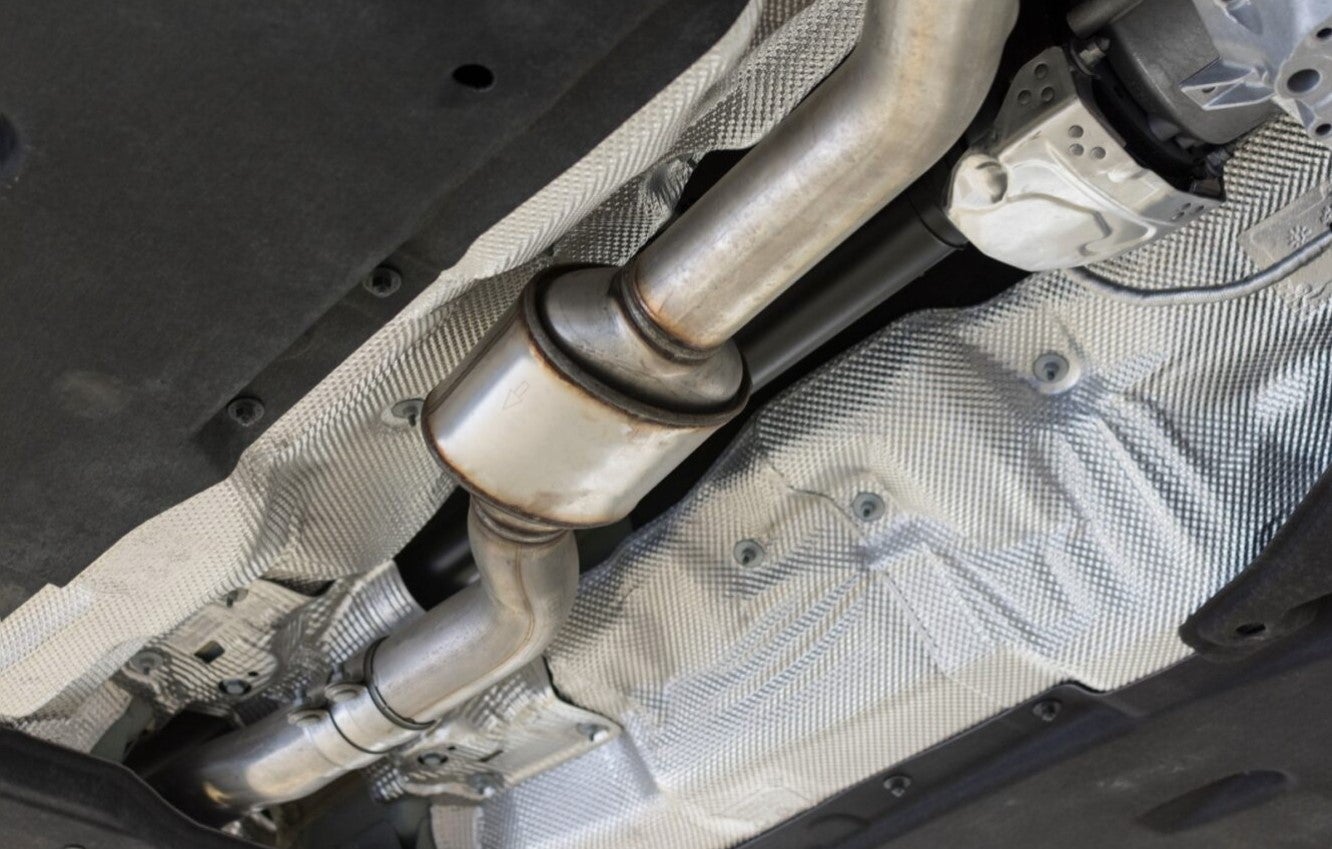
catalytic converter under car

Need a New Catalytic Converter? Visit Your Chevy Dealer Today

As it converts fuel into energy, your vehicle's engine produces various toxic emissions such as carbon monoxide and hydrogen sulfide. The role of the catalytic converter underneath your car is to convert these unpleasant fumes into more benign gases. While cats are long-lasting car parts, they can occasionally go bad. If you think your cat is having trouble, don't hesitate to visit your nearest Chevy dealer to have it repaired. more Need a New Catalytic Converter? Visit Your Chevy Dealer Today Rotten Egg Smell A stinky rotten egg smell may mean that your cat has broken down. Unless your battery is leaking battery acid, that rotten egg smell is probably hydrogen sulfide, one of the more dangerous fumes that a car's engine emits. When working well, the cat converts hydrogen sulfide into odorless, relatively harmless sulfur dioxide. But if your cat is failing to clean up this toxic gas, you'll soon smell the difference; open the windows to let fresh air in and have your cat checked without delay. Rattling Sounds Inside the cat, there's a honeycomb mesh-like structure through which the fumes flow as they're converted into harmless gases. As a cat ages, or if the cat is damaged by a jolt or impact, this honeycomb mesh can break apart. When this happens, you may hear the loose pieces rattling around below you, especially when you rev the engine. Poor Engine Performance Cats can sometimes become clogged up by excessive carbon deposits or by portions of the meshwork melting. When clogging occurs, the entire outflow of gases through the exhaust system becomes hindered. As a result of this backup of gases, fresh oxygen can no longer enter the engine as easily. This creates an imbalance in the fuel-air mixture inside the engine's combustion chambers. You'll soon find that your engine lacks the power it once had, especially when you need a quick burst of acceleration while overtaking or crossing an intersection. Misfiring Cylinders The unbalanced fuel-air mixture that a clogged cat causes may create a buildup of unburnt fuel inside the combustion chambers of each cylinder. This causes the spark plugs to become fouled by carbon deposits, which leads to misfiring. With misfiring cylinders, your engine will start to cough and shake, especially when you pause with the engine idling. Lower Fuel Economy The engine problems that a faulty cat causes also lead to reduced efficiency in fuel consumption. When your cat goes awry, you may find that you can't cover as many miles on a full tank of gas as before; your monthly fuel budget will be steadily rising. Have your car's converter inspected and repaired today by experienced technicians at Stone Chevrolet Buick GMC. We have an excellent range of new and pre-owned vehicles in our inventory, and courteous, knowledgeable staff on hand to help you with all your car-related needs.

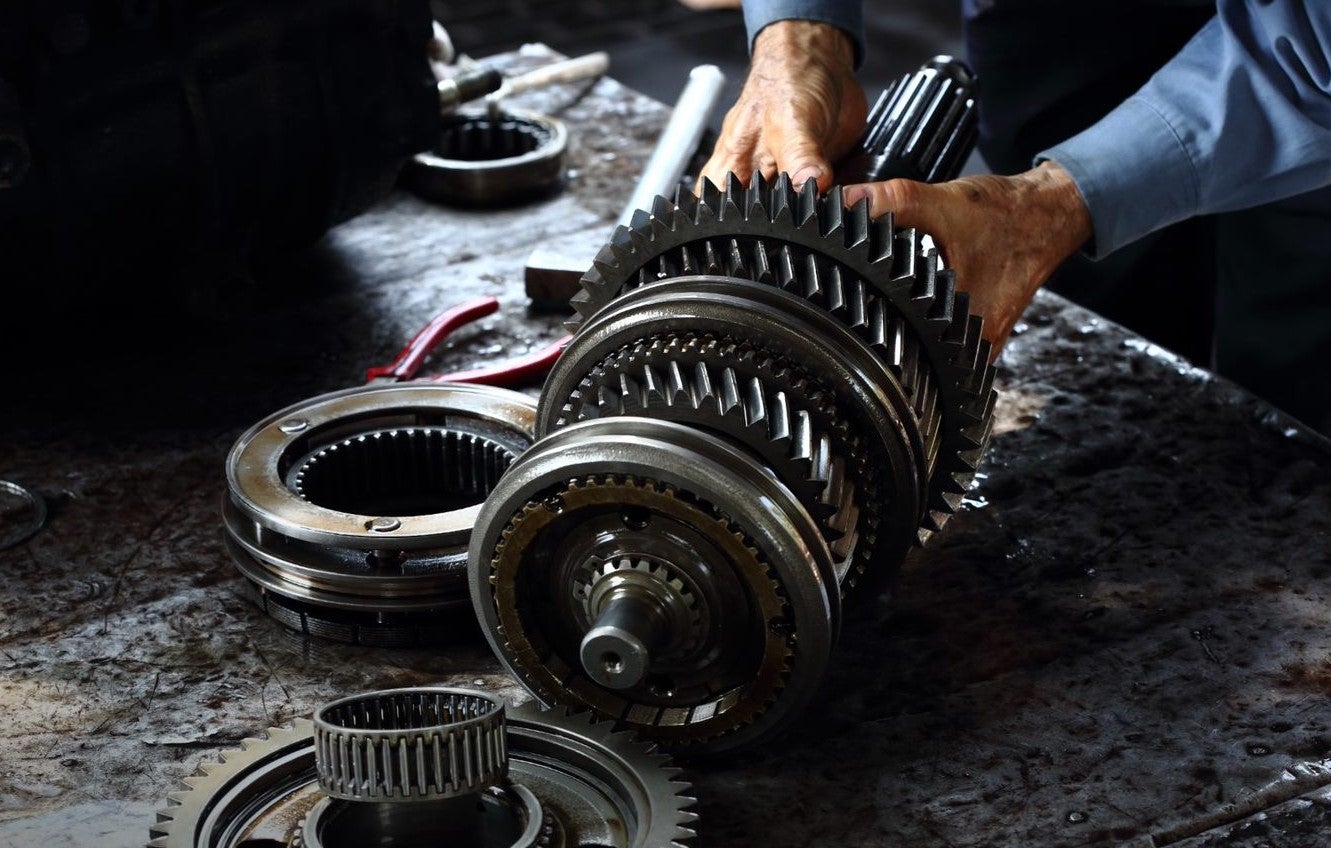
transmission

4 Signs Your Chevy, GMC, or Buick Needs a Transmission Repair

The transmission system in your vehicle is one of its most complex components. It is responsible for shifting gears and transferring the engine's power to the wheels, and when something goes wrong in this system, it has far-reaching effects on the performance, safety, and longevity of your car. Spotting the warning signs of transmission trouble early on can save you from much more expensive transmission repair in the future. Head to your Buick dealer right away if you notice any of the following signs. more 4 Signs Your Chevy, GMC, or Buick Needs a Transmission Repair from Your Buick Dealer Slipping Gears If your vehicle's transmission is in good health, you'll notice that shifting between gears is smooth and seamless. However, if your vehicle suddenly changes gears for no apparent reason, or if it feels like it's struggling to stay in gear, this could be a sign of a problem. This irregularity, known as gear slipping, could be a result of worn gears, a low fluid level, or a malfunctioning solenoid. This issue is not only a nuisance but can also be a safety hazard, especially when driving at high speeds. Unusual Noises One of the most common signs of transmission trouble is strange noises. If your vehicle has begun to produce a buzzing, humming, or whining noise, it may be time to have your transmission checked. These noises may indicate that the transmission fluid is low or contaminated, which can cause the transmission to overheat and the components to wear out more rapidly. It's important to have this addressed promptly to prevent further damage. Delayed Engagement When you shift from park to drive, there should be an immediate response from your vehicle. If there's a noticeable delay before your vehicle starts to move, this could indicate a problem with the transmission fluid or the transmission itself. In automatic transmissions, this problem may be more pronounced, as the system depends heavily on hydraulic pressure to operate correctly. Leaking Fluid Transmission fluid plays a key role in lubricating the transmission's moving parts and keeping the system cool. If you notice red fluid pooling under your vehicle, it's likely that your transmission fluid is leaking. This can lead to a variety of issues, from overheating to inadequate lubrication of the transmission's components. If left unattended, a fluid leak can lead to significant damage to your transmission, so don't write this off as a minor issue. Unusual noises, slipping gears, delayed engagement, and leaking fluid are all signs that your Chevy, Buick, or GMC vehicle's transmission may need professional attention. Remember, when it comes to vehicle maintenance, a proactive approach is always the best strategy, so if you're noticing any issues with your vehicle, come see us at Stone Chevrolet Buick GMC right away.

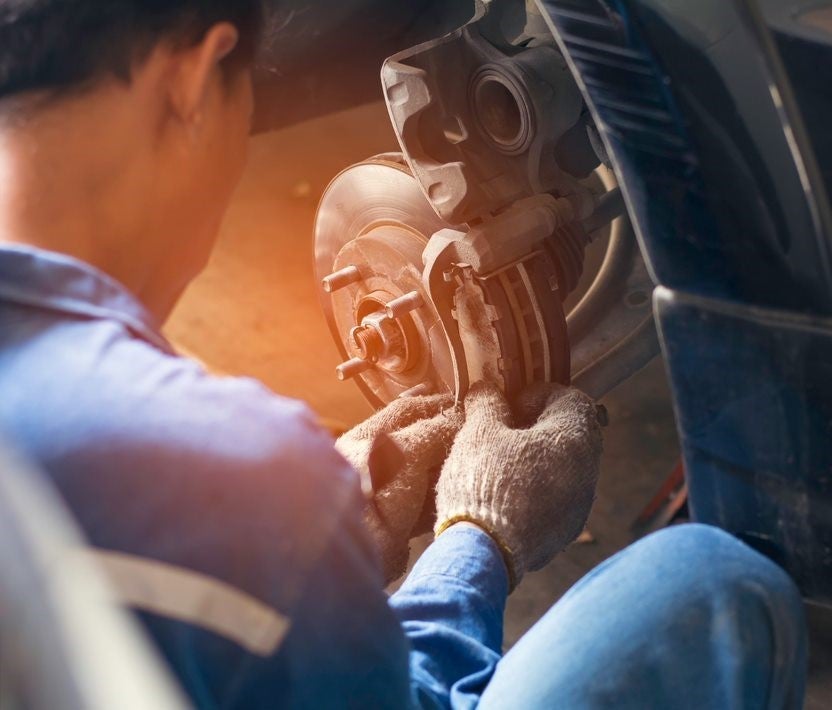
brakejob

Does Your Chevy, GMC, or Buick Need a Brake Repair?

Every Chevrolet, Buick, and GMC vehicle owner loves driving a car known for durability and robust performance. Nevertheless, to keep the pleasure alive, you need to have confidence in the braking system. Here are a few signs it's time to head to the GMC dealer for a brake repair. more Does Your Chevy, GMC, or Buick Need a Brake Repair at the GMC Dealer? Bad Sounds Any unusual noise, like a high-pitched squeak when braking, is a warning that your brake pads are thinning. If you hear a grinding noise, it could mean the brake pads are entirely worn, causing potential harm to the rotors. A rotor repair is a lot more serious (and expensive) than a simple brake pad replacement, so it pays to get this taken care of. Take a Look at Brake Pad Thickness For those comfortable with a bit of hands-on car maintenance, checking the brake pad thickness periodically can be smart. Aim to inspect the brake pads every six months or so, and if the thickness is less than 1/4 inch, it might be time for a replacement. Don't Disregard the Warning Light Your vehicle's dashboard is designed with warning lights to keep you informed about any potential problems. If the brake warning light comes on, it's your car's way of telling you to check the braking system. Treat this notification with urgency and get it checked out promptly. Does the Brake Pedal Feel Different? A soft or spongy feeling when applying the brakes may indicate a problem with the brake fluid or brake lines. If the pedal feels unusually hard to push, it could be a sign of an issue with the power assist mechanism. Has the Vehicle's Braking Behavior Changed? Changes in your vehicle's braking performance should never be overlooked. If the car tends to pull to one side when braking, it could hint at a problem with the brake linings. A vibration or pulsation in the brake pedal may suggest that the rotors are warped and need attention. When to Call Your Dealer If you're unsure or uneasy about diagnosing brake issues, don't hesitate to reach out for professional help. Brake repairs aren't something it's safe to ignore, nor are they something to try to DIY if you're not an experienced mechanic. The safety of you, your family, and everyone else on the road depends on your car's braking system. At Stone Chevrolet Buick GMC, we prioritize your vehicle's health and safety above all. Don't let brake issues sneak up on you. Schedule an appointment with Stone Chevrolet Buick GMC today, and let us take care of your brakes and any other vehicle issues you might have. ​