





Blog / Stone Chevrolet Buick GMC Service

Blog

All Stone Chevrolet Buick GMC Service New Car Dealership Tulare Tulare Car Dealership Chevrolet Dealership Stone Chevrolet Buick GMC Dealership Chevrolet Dealership Auto Service Tulare GMC Dealer Fun Things to do near Tulare, CA Tulare Buick Dealership SUV Chevrolet Dealership Visalia Buick Dealer Visalia Buick Service Certified Pre-Owned Car Dealership Visalia Used Cars
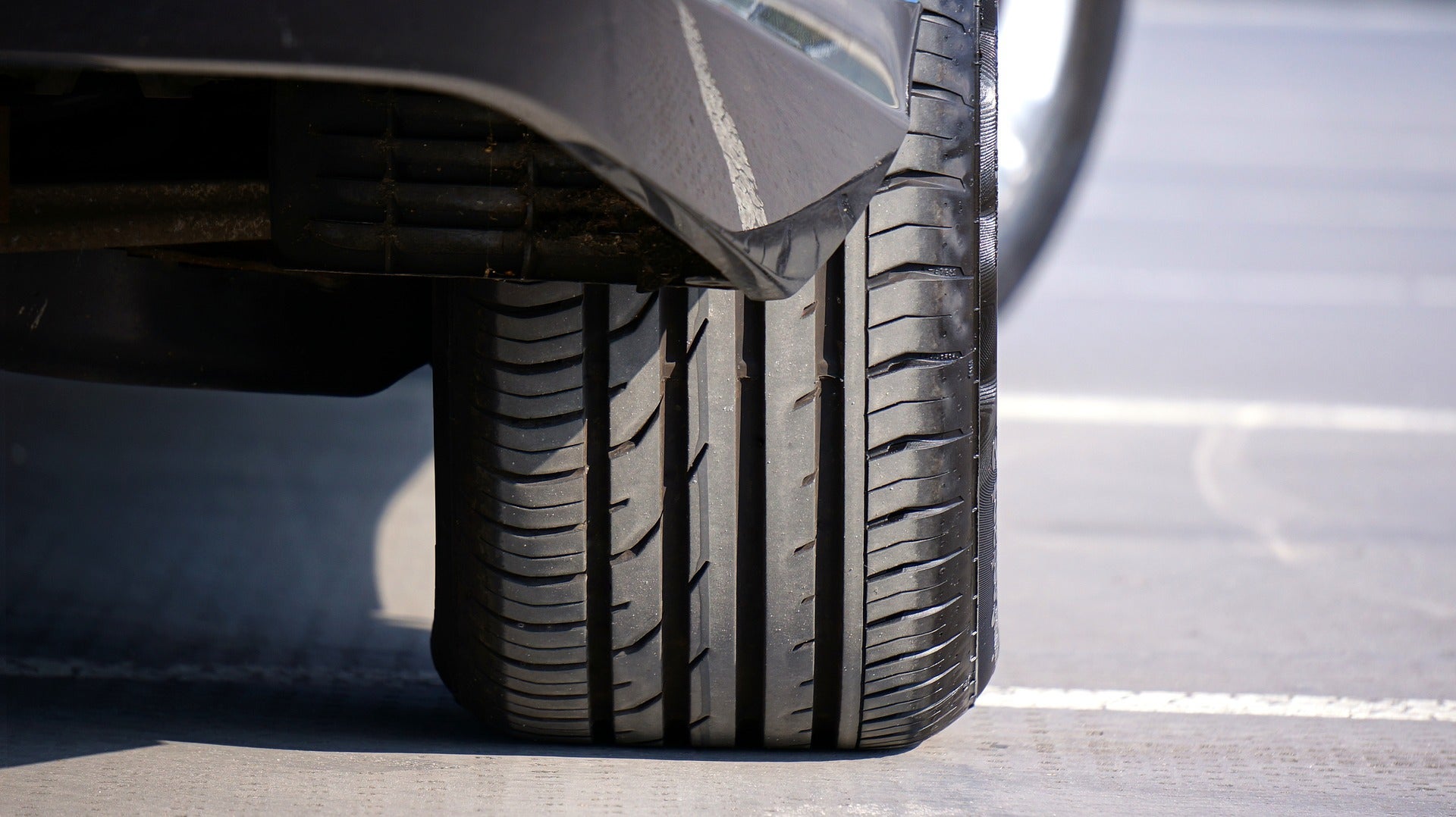
vehicle close up tire

4 Tasks to Keep Your Tires in Perfect Shape

Often, one of the most overlooked parts of a vehicle is the tires. Keeping tires in top-notch shape is a must. Having quality tires allows your vehicle to handle better, increases gas mileage, can save money, and keeps you from being stranded. Here are four tasks to keep your tires in perfect shape. 1. Check Air Pressure The first task that most people neglect to do is to check your tire's air pressure. This should be completed once a month or after a long trip. It's best to check the pressure in your car in the morning before you start driving. Check the pressure in all four wheels, plus the spare. Having the proper pressure in your tires will save you money by increasing the life of the tire and by improving the performance of your vehicle, resulting in better gas mileage. The next time you are at the hardware store, pick up a quality tire gauge so that you can properly check your tire pressure. more 2. Have Alignment Checked Next, having an alignment performed on your vehicle will ensure your tires are wearing properly. An alignment should be completed anytime new tires are installed, suspension work has been completed, unusual tire wear is noticed, or if the vehicle has encountered a major road hazard or curb. There are different types of alignments. Check with your mechanic to see which type is best for your vehicle. 3. Rotate Your Tires Another task to perform to keep your tires in perfect condition is tire rotation. You want to rotate your tires every 5,000 to 8,000 miles. When you get your oil changed, get your tires rotated. This will allow you to kill two birds with one stone, and they will both be on the same schedule. Tire rotation will allow your tires to wear evenly, providing you with better maneuvering and control. 4. Look at Tire Tread Checking your tire's tread is another task you can complete to keep your tires in tip-top shape. A trick you can use to determine if your tire tread is sufficient is to use a quarter. Put Washington's head face down in the tire tread. If any part of his head is obscured, you have enough tread. Tire tread makes a big difference when it comes to stopping your vehicle. Studies have shown that tires with low tread can take well over 250 feet to stop in the rain. With decent tread, the same tire will take under 200 feet to stop in the same conditions. Get out your quarters and check your tread so that you can keep your family safe. It's also important to note that you should keep the better tread on the rear tires. The reasoning for this is because deeper tread will grip the pavement better. This will help prevent your car from hydroplaning or fishtailing. Having better tread in the back corrects any of these issues faster. Taking care of your tires is essential when owning a vehicle. These are a few simple tasks you can complete to keep your tires up to par. The rubber is what hits the road, and keeping your tires in perfect condition will keep you and your family safe. If you have any questions about your tires contact us at Stone Chevrolet Buick GMC, we are here to help in any way we can! Image via Pixabay.com by Mikes-Photography
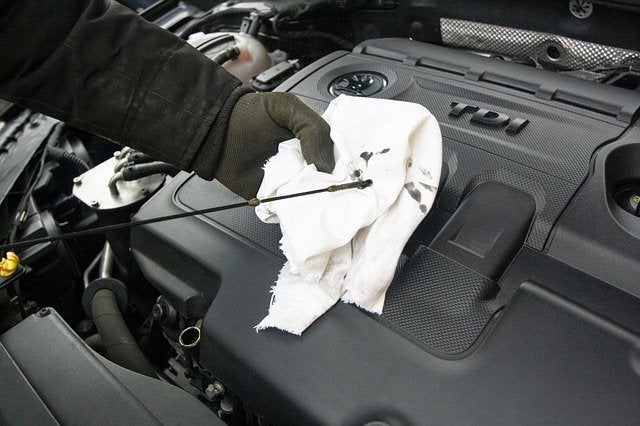
person checking car oil on white cloth

Choosing the Right Oil for Your Vehicle

Most drivers understand the importance of engine oil. It helps lubricate your car's internal parts, keeps them cool, and prevents wear and tear. Choosing the right oil for your vehicle can be a bit tricky. Use this guide to sort out all those numbers, letters, and terms so you can go home from the auto parts store with the right product. Viscosity Viscosity indicates how easily oil pours at a specified temperature. On the label, that's the number before the W — which stands for "winter." It refers to how thick the oil is at zero degrees Fahrenheit. The second number after the dash refers to its thickness at 212 degrees Fahrenheit. Motor oil thins when it heats up and thickens as it cools. Thicker oil does a better job of maintaining a protective film between moving parts. The higher that second number, 10W-40 versus 10W-30, the more resistant that particular bottle of oil is to thinning. more In low temperatures, the oil must resist thickening in order to flow properly throughout your engine. If it's too thick, it will be more difficult to start your car, and it may adversely affect your fuel economy ratings. A lower number before the W is the best choice for cold-weather performance, like a 5W product. Premium Conventional Oil When you look at the oil on the shelves of your local auto parts store, you'll see types for all kinds of purposes. Premium conventional oil is the new-car standard. It's available in several choices for viscosity, such as 5W-20, 5W-30, and 10W-30. These three choices work well for most light-duty vehicles. Full Synthetic Oil If your vehicle is equipped with a high-tech engine like the latest model Corvette or it's designed for heavy-duty use, such as the Silverado, you may want to consider a full synthetic oil. These products have passed stringent tests for superior, long-lasting performance. They are designed to deliver better flow at low temperatures, and they resist breakdown in high heat. This is one of the most expensive options, though, and not every engine needs it. If you're commuting with a Malibu sedan, don't waste your money on full synthetics. Synthetic Blend Oil Just like it sounds, this type of engine oil is a blend of synthetic and organic lubricants. It's an ideal choice if you're towing heavy loads or consistently driving in high temperatures. They resist oil loss from evaporation and increase fuel economy. These blends are popular with truck and SUV owners who want extra protection for less than the cost of a fully synthetic product. Changing Your Oil There's a ton of controversy about how often you should change your oil. Some experts recommend every 4,000 miles, while others say at least twice a year. The best resource to answer this question is your owner's manual. If you're still unsure when to perform this routine maintenance, visit the experts at Stone Chevrolet Buick GMC service center. Oil is vital to keeping your car's engine running smoothly. Use this guide to help choose the right one for your vehicle. Image via Pixaby.com by Skica911

Contact Us

Fill out this form below and we'll contact you shortly
*Required Fields