




Blog / Visalia Buick Service

Blog

All Visalia Buick Service New Car Dealership Tulare Tulare Car Dealership Chevrolet Dealership Stone Chevrolet Buick GMC Dealership Chevrolet Dealership Auto Service Tulare GMC Dealer Fun Things to do near Tulare, CA Stone Chevrolet Buick GMC Service Tulare Buick Dealership SUV Chevrolet Dealership Visalia Buick Dealer Certified Pre-Owned Car Dealership Visalia Used Cars
oil change

Getting an Oil Change for Your GMC or Buick Vehicle

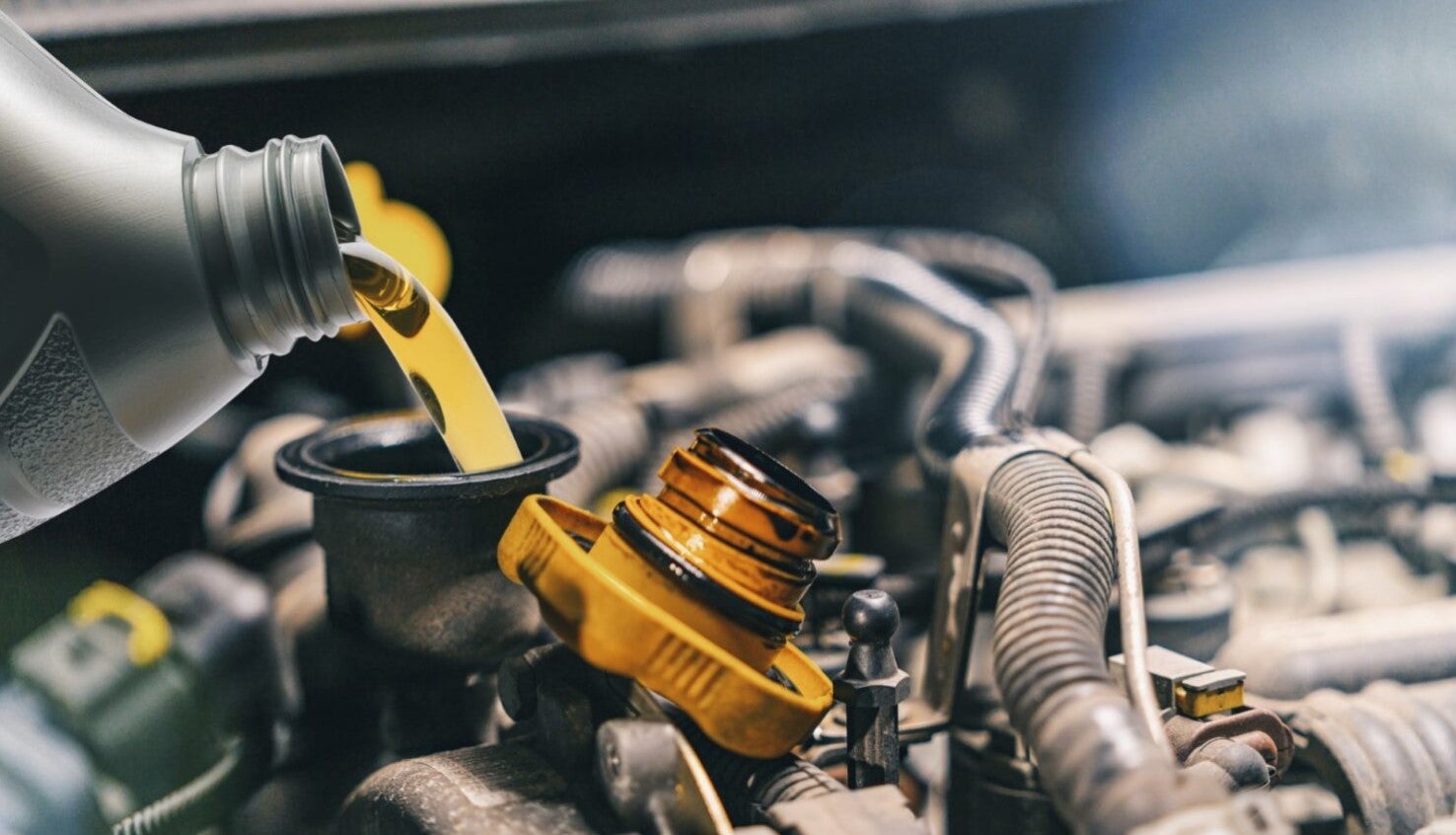
To ensure your engine stays lubricated and protected, it's vital to regularly change your vehicle's oil. The oil in your GMC or Buick lubricates the moving parts and helps to keep everything under the hood running efficiently. A regular oil change at your Buick dealer will improve your vehicle's engine performance and ensure you enjoy your Acadia or Envision for much longer. more Getting an Oil Change for Your GMC or Buick Vehicle From Your Buick Dealer Oil Replacement Services Our team of skilled and experienced technicians provides top-notch oil replacements at prices that won't break the bank. They understand how vital it is to stay on top of routine oil replacements, using only the finest oil grades to keep your engine protected, clean, and running properly. Additionally, each oil replacement includes a thorough Multi-Point Vehicle Inspection and four-tire rotation, allowing our technicians to assess the condition of your vehicle and identify any necessary maintenance needed to keep it performing at its best. The Proper Oil For Your Vehicle Using the right oil to keep your engine purring like a kitten is essential. We suggest replacing your vehicle's oil with premium quality full synthetic oil, such as ACDelco Gold Conventional Oil, ACDelco dexos1 Full Synthetic, or Mobil 1 Full Synthetic Oil. These top-of-the-line oils are designed to provide excellent lubrication and protection. You can find the oil details for your GMC or Buick in your owner's manual, or feel free to ask your technician for help selecting the best oil for your particular model and engine type. Oil Specials Are you looking to save some money on your oil replacements? Look no further! We offer fantastic savings on oil replacements, which include a tire rotation. Head to the specials on our website or chat with one of our service consultants to learn more about our deals. Oil Replacement Intervals and the OLMS If you have an older model, replacing the oil every 7,500 to 10,000 miles or every six months is generally recommended. If you drive a newer model, you don't have to worry about keeping track of the mileage. The Oil Life Monitoring System (OLMS) will do it for you. The OLMS tracks your vehicle's speed, mileage, engine temperature, and revolutions and calculates when new oil is required. When the OLMS light comes on, that's your cue to schedule an oil replacement. The Importance of Clean Oil The oil in your GMC or Buick helps to lubricate and cool the engine, reducing friction and heat that can cause damage over time. As the oil gets used, it becomes contaminated and loses its capacity to protect and lubricate the engine, leading to increased wear and fuel consumption. Following the factory-recommended oil replacement intervals will prevent damage to your engine, improve fuel efficiency, and increase overall performance, ensuring your vehicle lasts longer. Ensure your GMC or Buick never lets you down by relying on our expert oil replacement services. Schedule an appointment at Stone Chevrolet Buick GMC today, and we will see to it that your engine is well-lubricated and protected.
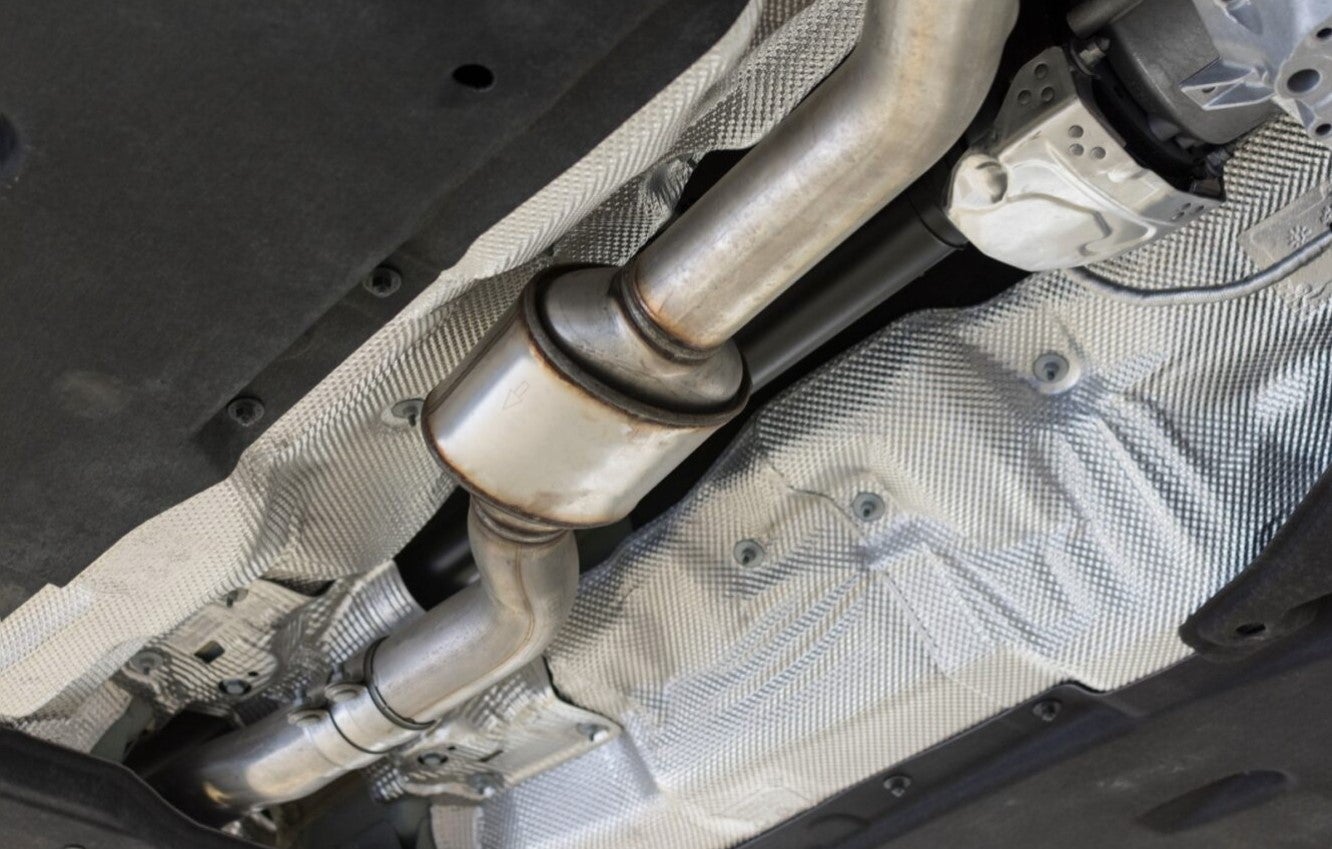
catalytic converter under car

Need a New Catalytic Converter? Visit Your Chevy Dealer Today

As it converts fuel into energy, your vehicle's engine produces various toxic emissions such as carbon monoxide and hydrogen sulfide. The role of the catalytic converter underneath your car is to convert these unpleasant fumes into more benign gases. While cats are long-lasting car parts, they can occasionally go bad. If you think your cat is having trouble, don't hesitate to visit your nearest Chevy dealer to have it repaired. more Need a New Catalytic Converter? Visit Your Chevy Dealer Today Rotten Egg Smell A stinky rotten egg smell may mean that your cat has broken down. Unless your battery is leaking battery acid, that rotten egg smell is probably hydrogen sulfide, one of the more dangerous fumes that a car's engine emits. When working well, the cat converts hydrogen sulfide into odorless, relatively harmless sulfur dioxide. But if your cat is failing to clean up this toxic gas, you'll soon smell the difference; open the windows to let fresh air in and have your cat checked without delay. Rattling Sounds Inside the cat, there's a honeycomb mesh-like structure through which the fumes flow as they're converted into harmless gases. As a cat ages, or if the cat is damaged by a jolt or impact, this honeycomb mesh can break apart. When this happens, you may hear the loose pieces rattling around below you, especially when you rev the engine. Poor Engine Performance Cats can sometimes become clogged up by excessive carbon deposits or by portions of the meshwork melting. When clogging occurs, the entire outflow of gases through the exhaust system becomes hindered. As a result of this backup of gases, fresh oxygen can no longer enter the engine as easily. This creates an imbalance in the fuel-air mixture inside the engine's combustion chambers. You'll soon find that your engine lacks the power it once had, especially when you need a quick burst of acceleration while overtaking or crossing an intersection. Misfiring Cylinders The unbalanced fuel-air mixture that a clogged cat causes may create a buildup of unburnt fuel inside the combustion chambers of each cylinder. This causes the spark plugs to become fouled by carbon deposits, which leads to misfiring. With misfiring cylinders, your engine will start to cough and shake, especially when you pause with the engine idling. Lower Fuel Economy The engine problems that a faulty cat causes also lead to reduced efficiency in fuel consumption. When your cat goes awry, you may find that you can't cover as many miles on a full tank of gas as before; your monthly fuel budget will be steadily rising. Have your car's converter inspected and repaired today by experienced technicians at Stone Chevrolet Buick GMC. We have an excellent range of new and pre-owned vehicles in our inventory, and courteous, knowledgeable staff on hand to help you with all your car-related needs.

transmission

4 Signs Your Chevy, GMC, or Buick Needs a Transmission Repair

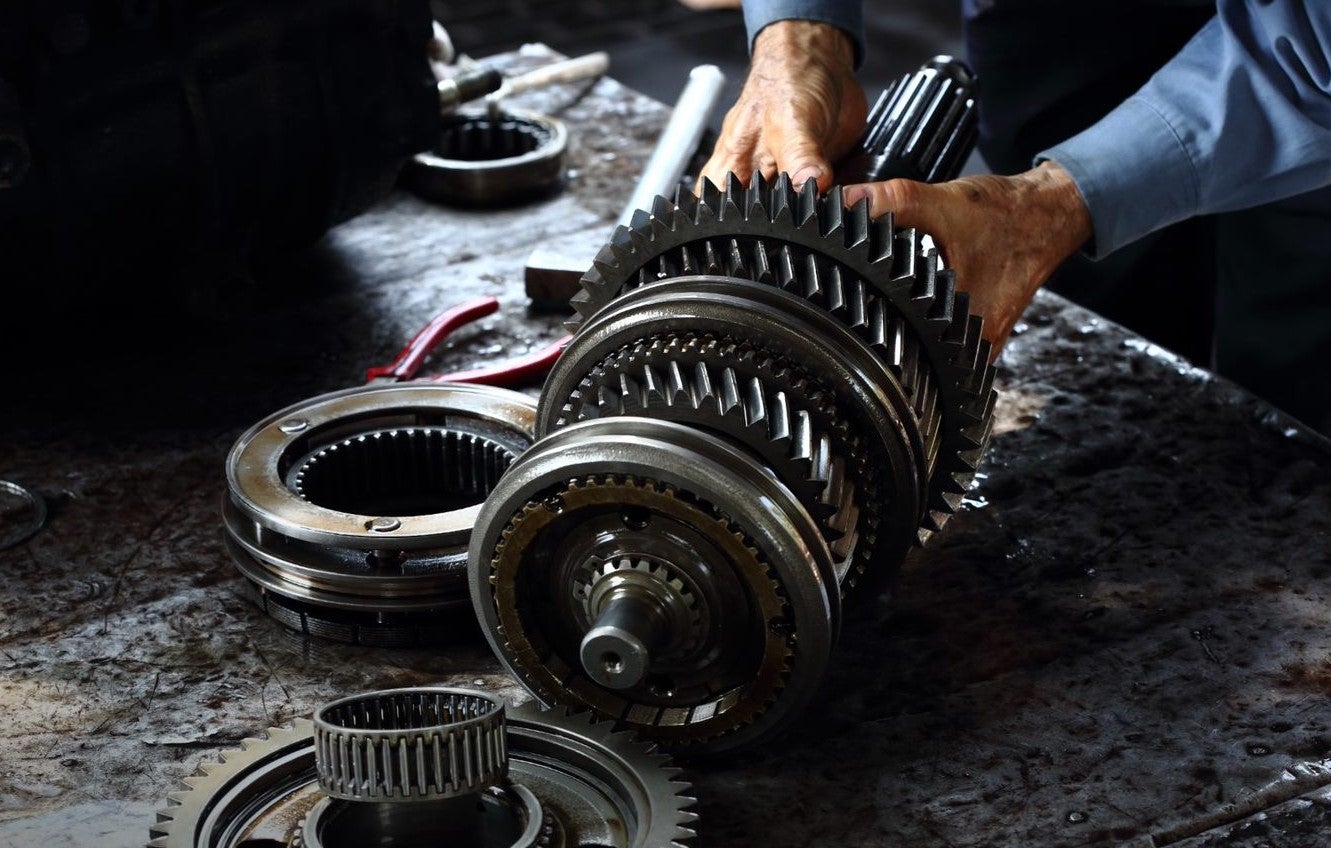
The transmission system in your vehicle is one of its most complex components. It is responsible for shifting gears and transferring the engine's power to the wheels, and when something goes wrong in this system, it has far-reaching effects on the performance, safety, and longevity of your car. Spotting the warning signs of transmission trouble early on can save you from much more expensive transmission repair in the future. Head to your Buick dealer right away if you notice any of the following signs. more 4 Signs Your Chevy, GMC, or Buick Needs a Transmission Repair from Your Buick Dealer Slipping Gears If your vehicle's transmission is in good health, you'll notice that shifting between gears is smooth and seamless. However, if your vehicle suddenly changes gears for no apparent reason, or if it feels like it's struggling to stay in gear, this could be a sign of a problem. This irregularity, known as gear slipping, could be a result of worn gears, a low fluid level, or a malfunctioning solenoid. This issue is not only a nuisance but can also be a safety hazard, especially when driving at high speeds. Unusual Noises One of the most common signs of transmission trouble is strange noises. If your vehicle has begun to produce a buzzing, humming, or whining noise, it may be time to have your transmission checked. These noises may indicate that the transmission fluid is low or contaminated, which can cause the transmission to overheat and the components to wear out more rapidly. It's important to have this addressed promptly to prevent further damage. Delayed Engagement When you shift from park to drive, there should be an immediate response from your vehicle. If there's a noticeable delay before your vehicle starts to move, this could indicate a problem with the transmission fluid or the transmission itself. In automatic transmissions, this problem may be more pronounced, as the system depends heavily on hydraulic pressure to operate correctly. Leaking Fluid Transmission fluid plays a key role in lubricating the transmission's moving parts and keeping the system cool. If you notice red fluid pooling under your vehicle, it's likely that your transmission fluid is leaking. This can lead to a variety of issues, from overheating to inadequate lubrication of the transmission's components. If left unattended, a fluid leak can lead to significant damage to your transmission, so don't write this off as a minor issue. Unusual noises, slipping gears, delayed engagement, and leaking fluid are all signs that your Chevy, Buick, or GMC vehicle's transmission may need professional attention. Remember, when it comes to vehicle maintenance, a proactive approach is always the best strategy, so if you're noticing any issues with your vehicle, come see us at Stone Chevrolet Buick GMC right away.

brakejob

Does Your Chevy, GMC, or Buick Need a Brake Repair?

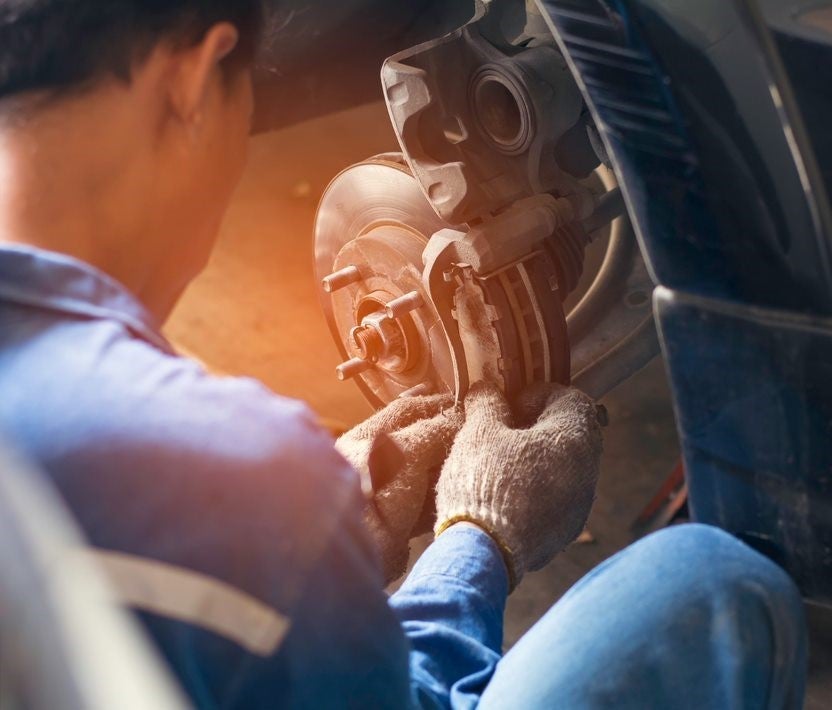
Every Chevrolet, Buick, and GMC vehicle owner loves driving a car known for durability and robust performance. Nevertheless, to keep the pleasure alive, you need to have confidence in the braking system. Here are a few signs it's time to head to the GMC dealer for a brake repair. more Does Your Chevy, GMC, or Buick Need a Brake Repair at the GMC Dealer? Bad Sounds Any unusual noise, like a high-pitched squeak when braking, is a warning that your brake pads are thinning. If you hear a grinding noise, it could mean the brake pads are entirely worn, causing potential harm to the rotors. A rotor repair is a lot more serious (and expensive) than a simple brake pad replacement, so it pays to get this taken care of. Take a Look at Brake Pad Thickness For those comfortable with a bit of hands-on car maintenance, checking the brake pad thickness periodically can be smart. Aim to inspect the brake pads every six months or so, and if the thickness is less than 1/4 inch, it might be time for a replacement. Don't Disregard the Warning Light Your vehicle's dashboard is designed with warning lights to keep you informed about any potential problems. If the brake warning light comes on, it's your car's way of telling you to check the braking system. Treat this notification with urgency and get it checked out promptly. Does the Brake Pedal Feel Different? A soft or spongy feeling when applying the brakes may indicate a problem with the brake fluid or brake lines. If the pedal feels unusually hard to push, it could be a sign of an issue with the power assist mechanism. Has the Vehicle's Braking Behavior Changed? Changes in your vehicle's braking performance should never be overlooked. If the car tends to pull to one side when braking, it could hint at a problem with the brake linings. A vibration or pulsation in the brake pedal may suggest that the rotors are warped and need attention. When to Call Your Dealer If you're unsure or uneasy about diagnosing brake issues, don't hesitate to reach out for professional help. Brake repairs aren't something it's safe to ignore, nor are they something to try to DIY if you're not an experienced mechanic. The safety of you, your family, and everyone else on the road depends on your car's braking system. At Stone Chevrolet Buick GMC, we prioritize your vehicle's health and safety above all. Don't let brake issues sneak up on you. Schedule an appointment with Stone Chevrolet Buick GMC today, and let us take care of your brakes and any other vehicle issues you might have. ​

brakejob2

Does Your Buick or GMC Need a Brake Repair?

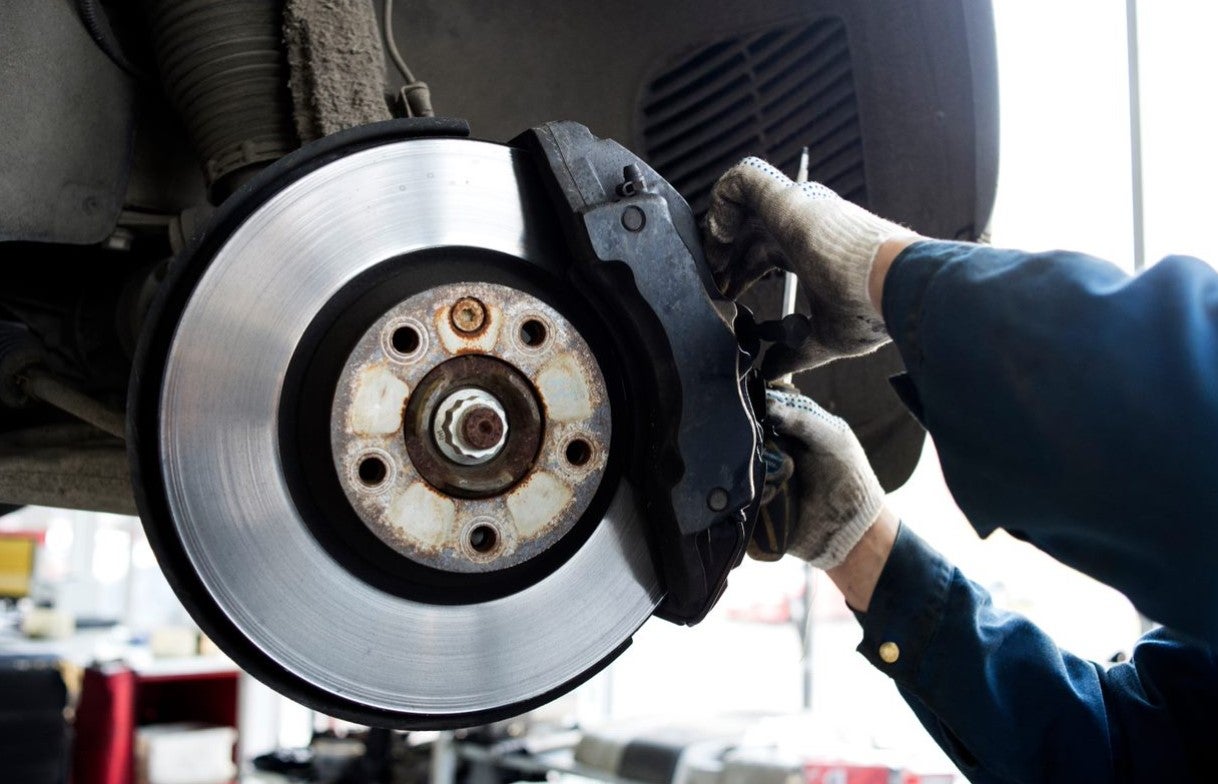
Does Your Buick or GMC Need a Brake Repair? You Spot Leaking Brake Fluid Brake fluid maintains hydraulic pressure inside the brake mechanism and hoses. This hydraulic pressure allows your foot on the pedal to exert enough force through the master cylinder to clamp the calipers and stop your two-ton vehicle. When brake hoses spring a leak, fluid escapes, air gets in, and hydraulic pressure plummets. This is extremely dangerous as your foot on the pedal will no longer be exerting enough force to properly stop your car. If you notice a yellow or yellowy-brown liquid pooling in your wheel wells or on the ground near your wheels, you might have a brake fluid leak. Never drive a car with leaking brake hoses until they're repaired. Your Fluid Is Too Low or Old Over time, brake fluid ages, diminishes, and fills with contaminating particles and moisture. As this worsens, you'll gradually feel your brake pedal feel softer and spongier, and your car won't be stopping as promptly. You can check the brake fluid reservoir under the hood. If the fluid looks low or very dark and dirty in color, have it flushed out and renewed. When the fluid is too low or old, you're also likely to see the anti-lock braking system warning light come to life on your dashboard. Your Brakes Are Overheating If your daily commute requires long periods in heavy stop-and-go traffic, your brakes are at risk of overheating. With extreme overheating, it's possible for the brake function to temporarily reduce. This worrying phenomenon is called brake fade. If it occurs, pull over at once to a safe place and allow your brakes to cool back down. You Hear Strange Sounds While Braking Fully functioning brakes should be relatively silent when applied. If you hear loud squealing, you probably have a brake pad that needs replacing. Any clattering or grinding sounds usually mean something is loose or trapped inside the caliper. Your Brake Pedal Is Vibrating The rotors in a Buick or GMC's vehicle brakes are remarkably durable. But extreme overheating can cause any rotor to become scored, warped, or coated in resin from a melting brake pad. If this happens, you're likely to feel a rhythmic pulsing or vibrating through the brake pedal. The malfunctioning rotor will need to be resurfaced or replaced. Have Brakes Serviced Often at Your Local GMC Dealer The more frequent your brake servicing visits, the less likely you are to ever experience these brake-related issues. Under ordinary driving conditions, it's best to have brakes serviced twice a year and brake fluid flushed every two years. Visit Stone Chevy Buick GMC to have your brakes serviced or repaired today.

Contact Us

Fill out this form below and we'll contact you shortly
*Required Fields